Cracked glass has its own way of showing up at exactly the wrong time. You have a morning meeting on Montlieu or a school drop-off on Lexington, and there it is, a spider crack tracing across your windshield like it owns the view. I’ve spent enough years around auto glass in the Triad to know what drivers in High Point want most when that happens: clear guidance, quick turnaround, and a shop that stands behind the work. The good news is you have strong options here, whether you need a simple rock chip repair, full windshield replacement, or the not-so-optional ADAS calibration that newer vehicles require.
Below is the playbook I wish every driver had at their fingertips. It covers how to decide between repair and replacement, what to expect on cost and timing, why mobile service can save a day’s worth of hassle, and where ADAS calibration fits into the picture for High Point roads.
The real cost of waiting on a chip or crack
A quarter-sized rock chip looks innocent until a cold snap rolls in off Oak Hollow Lake or you crank the defroster on a January morning. Thermal stress can turn minor damage into a foot-long crack in a single drive. Once a crack exceeds the size of a dollar bill or crosses the driver’s line of sight, most shops will recommend replacement. Insurance carriers do too, since repaired cracks in the primary field of vision can distort light and cause glare at night.
In practice, I tell customers they have a window of a few days with a fresh chip, sometimes less in summer. The resin bond is strongest when contamination is minimal, and every hour brings dust, moisture, and oils that degrade the repair. If the chip shows legs radiating outward, schedule immediately. A good High Point auto glass repair tech can usually stabilize a chip in under 30 minutes, often at your home or office, and that small act can save you hundreds.
Repair or replace: a sober decision
Most drivers prefer repair, and for good reasons. It’s faster, cheaper, and keeps the factory seal intact. Yet replacement is the right call more often than people expect.
- Repair makes sense when the chip is smaller than a quarter, not in the driver’s direct line of sight, and not at the very edge of the glass. Chips with minimal cracking around the impact point usually cure clear, with a slight blemish you’ll forget about within a day. Replacement is safer when the crack runs more than 6 inches, touches the glass edge, or sits in front of the driver. Modern laminated windshields are structural. A compromised windshield can fail to support roof integrity in a rollover or retain airbags on deployment.
Shops around High Point see plenty of highway damage from I-74 and I-85, especially behind construction trucks. On those routes, pitting and sandblasting add up over time and affect visibility even without a major chip. If you notice wiper streaks and night glare no matter how new the wiper blades are, a fresh windshield might be more than cosmetic.
What a professional repair looks like
A proper chip repair isn’t magic, but it is precise. The tech cleans the cavity, sometimes drills a whisper-thin access point, then injects resin under Mobile auto glass High Point controlled vacuum. UV curing hardens the resin, locking the glass layers together. When done right, you restore a large portion of the windshield’s original strength and stop the damage from spreading. Expect a slight outline to remain, like a healed scar. That is normal.
If your vehicle has a rain sensor or heated glass, the technician will protect those areas and verify their performance afterward. It helps to ask the tech to show you the repaired spot before you pay. A good repair is easy to see up close and impossible to notice at highway distance.
When a new windshield becomes the smart move
For full windshield replacement in High Point, ask about glass type before scheduling. You’ll likely have a choice between OEM, OEE (original equipment equivalent), and aftermarket options. OEM tends to be the most expensive, but it matches curvature, tint, and frit patterns exactly to factory spec. OEE comes from licensed suppliers and usually fits and performs just as well. Aftermarket varies more. A reputable installer will tell you which brands they trust for your model and why.
I steer people toward OEE or OEM on vehicles with tight ADAS tolerances, complex heads-up displays, or acoustic glass. On a daily commuter without advanced sensors, a quality aftermarket windshield is often fine and easier on the budget. If a quote seems unusually low, ask what glass brand they’re using, whether moldings and clips are included, and if they’ll replace rather than reuse rusted or brittle cowl fasteners.
The mobile advantage for busy schedules
Mobile auto glass in High Point is not a corner-cutting service. In many cases, it’s the best option. A mobile van equipped with power, vacuum, and adhesives can handle most chip repairs and many replacements at your driveway or office lot. The driver saves a trip, the vehicle stays off the road with compromised glass, and you keep your day moving.
A few caveats help this go smoothly. The install area should be relatively dry, with space around the vehicle and a stable parking surface. Adhesive curing depends on temperature and humidity. Your tech will check the day’s conditions and share the safe-drive time, which can be anywhere from 30 minutes to several hours, depending on the urethane used. If severe weather hits, they’ll reschedule or offer shop service. Mobile ADAS calibration is possible in some setups, but many vehicles still require a controlled indoor environment for target-based calibration. Ask ahead so expectations match.
Side window replacement vs. windshield work
Not all glass is created equal. Door glass and rear windows are usually tempered, not laminated. When a thief pops a side window at a gym lot on Skeet Club, the glass shatters into small cubes. There’s no repairing that. Side window replacement in High Point is a different dance from windshields. You’ll hear vacuuming first, then the tech will remove door panels or trim, install the new glass, and test the regulator and tracks. If the break involved a forced entry, ask the shop to inspect lock rods and weatherstripping. Fine shards hide in door cavities and can scratch the new glass. A thorough cleanup matters.
Rear glass with embedded defrosters deserves extra care. Cheap replacements sometimes come with weak grid lines that take ages to warm. If you rely on the defroster for early morning commutes, note that priority when you book. The right supplier makes a visible difference come December.
ADAS calibration in High Point: why it’s mandatory, not optional
Lane-keeping assistance, forward collision warning, adaptive cruise, auto high beams, traffic sign recognition. These systems depend on cameras peering through the windshield and radar tucked behind badges and grilles. Replace or even slightly shift the windshield, and the camera’s aim changes. That’s why ADAS calibration has become a standard step after windshield replacement on many vehicles built in the last eight to ten years.
There are two main methods. Static calibration uses printed targets and precise measurements in a controlled bay. Dynamic calibration requires a road drive at steady speeds on well-marked roads while a scan tool prompts the system to learn. Many vehicles need both. Shops that offer ADAS calibration in High Point will explain which method your car needs by VIN. If a shop skips this step or says it’s not necessary without checking your vehicle’s service information, that’s a red flag.
Expect calibration to add time and cost to the job, often an extra hour or two and a few hundred dollars. It’s worth every minute and penny. Misaligned cameras can delay or prevent emergency braking, give false alerts, or tug the steering wheel unpredictably. A reliable shop will provide documentation of a successful calibration and clear any related diagnostic trouble codes before handing back the keys.
Insurance, deductibles, and the smartest way to file
Most comprehensive insurance policies in North Carolina cover glass damage. Some carriers waive the deductible for chip repair because it prevents bigger claims later. Replacement typically involves your comprehensive deductible, commonly 250 to 500 dollars. If your car has ADAS, ask whether the calibration is covered under the same claim. In many cases it is.
Two filing routes work well. You can call your insurer and let them assign a preferred shop, or you can pick a local shop you trust and have them bill the insurer directly. North Carolina gives you the right to choose the repair facility. Local shops in High Point often have relationships with the major networks, so direct billing is routine. If a claim feels borderline, a seasoned estimator can advise whether repair without a claim makes more sense.
Timelines you can plan around
Chip repairs take around 20 to 40 minutes. You’ll usually be safe to drive right away. Windshield replacement runs 60 to 120 minutes, plus the adhesive cure time. Many modern urethanes allow safe drive-away in one to three hours, though high humidity or cold weather can extend that. Add ADAS calibration, and your total time might be two to four hours, sometimes longer if static targets are booked or a test drive is needed.
For side and rear windows, plan on one to two hours, including cleanup and regulator checks. If door components were damaged during a break-in, parts availability can stretch the timeline. Good shops will set realistic expectations instead of promising impossible turnaround.
What separates a good installer from a headache
Technique matters. A skilled technician protects paint and interior trim, primes bare metal to prevent rust, and uses the right urethane for your vehicle’s original equipment specifications. Sloppy prep can lead to wind noise, water leaks, or corrosion hiding under the molding where you can’t see it.
You can learn a lot from a quick conversation before you book. Ask how they prep the pinch weld, whether they replace one-time-use moldings, and how they verify ADAS calibration. A confident tech answers plainly and doesn’t dodge specifics. If the quote seems vague, ask for a breakdown that includes glass brand, moldings, labor, mobile fee if any, and calibration.
Weather, roads, and other High Point quirks that matter
Our area throws a mixed bag at auto glass. Hot summers expand small chips. Winter mornings contract the glass and stress weak spots. Pollen season can turn your windshield into sandpaper if wiped dry, which accelerates wiper wear and etches the surface. The cure is simple habits: keep washer fluid topped up, replace wipers every six to nine months, and wash off grit before the first swipe.
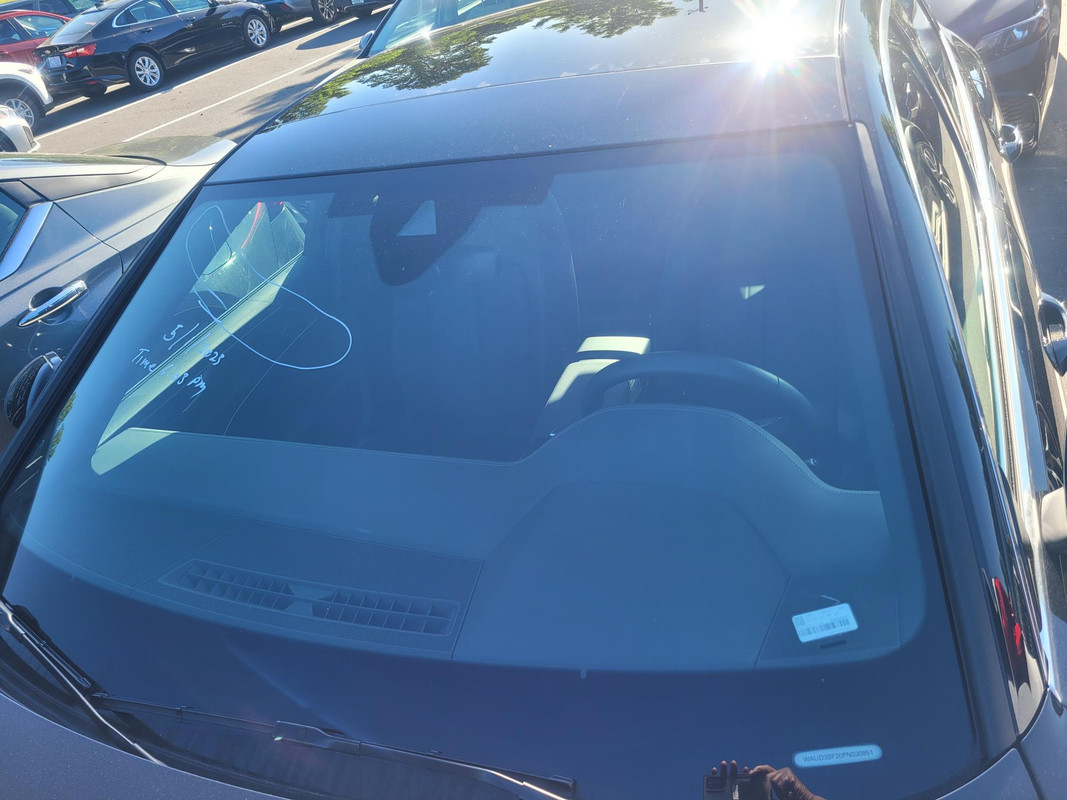
Construction along major corridors brings debris. If you must trail a dump truck, leave more space than feels polite. Mud flaps don’t catch everything. Parking under hardwoods near older neighborhoods can shower your car with acorns and branches after a storm. A basic windshield cover during bad weather or when parking under trees costs little and saves headaches.
Mobile vs. in-shop: picking the right setting
Mobile service shines for straightforward rock chips and many standard replacements. If your vehicle has a complex ADAS suite, heated cameras, or a head-up display, in-shop installation with controlled lighting and temperature can improve calibration accuracy. Luxury models with special rain sensors or infrared-reflective coatings tend to behave better indoors. When the forecast is soggy or windy, rescheduling into the shop avoids contamination that weakens the bond between glass and urethane.
Think of it this way: choose mobile when convenience rules and conditions cooperate, choose the shop when conditions are questionable or your vehicle’s tech stack is unforgiving.
Aftercare that actually makes a difference
Once the new windshield is in, treat the vehicle gently for the first 24 to 48 hours. Avoid slamming doors, since cabin pressure can push on uncured adhesive. Skip the car wash for a day, especially high-pressure bays. Don’t peel off any tape the installer leaves for at least a few hours. If you hear faint creaks around the trim on the first drive, that’s usually new molding bedding in. Persistent whistle at highway speed merits a call back for an inspection.
For chip repairs, the only rule of thumb is to keep your expectations reasonable. The flaw will be less visible, often 70 to 90 percent improved, but not invisible. The point is structural integrity, not showroom perfection.
What drivers ask most
- How soon can I drive after a windshield replacement? Many jobs allow safe driving in 1 to 3 hours, but your tech sets the exact time based on the urethane and conditions. Will a repair be truly invisible? No. A good repair is structurally sound and visually subtle. At arm’s length you might spot it. At traffic distance, you won’t. Do I have to recalibrate ADAS? If your vehicle has forward-facing cameras or sensors tied to the windshield, yes. Skipping calibration invites safety issues and warning lights. Will my insurance rates go up for a glass claim? Comprehensive claims typically carry less risk of a premium increase than at-fault collision claims, but policies vary. Ask your agent.
Picking a trustworthy High Point auto glass repair partner
Local experience pays off. A shop that sees a mix of commuter cars, work trucks, and family SUVs knows which glass brands fit well, which moldings crack in cold weather, and how to navigate ADAS on the models common in our area. Look for certifications from technicians, modern adhesives with documented safe drive times, and clear calibration procedures. If they offer mobile auto glass in High Point, confirm they can switch to an in-shop appointment if weather turns.
When you call, have your VIN handy. Features like acoustic interlayers, rain sensors, and lane camera brackets hide in the VIN data and determine the exact glass you need. That single step reduces surprises, wrong parts, and reschedules.
A practical path when you spot damage
- Cover the chip with clear tape to keep out moisture and grit, then book repair within a day or two. If the crack is growing or obstructs your view, park the car, call for mobile service, and plan for replacement and ADAS calibration if your vehicle requires it.
That simple sequence saves money, preserves safety systems, and keeps your schedule sane.
The bottom line for High Point drivers
High Point’s mix of urban and suburban roads, heavy truck routes, and seasonal swings makes auto glass a maintenance item, not a once-in-a-decade event. The right response depends on the damage and your vehicle’s tech. Small chips reward quick action. Long cracks and edge damage call for full windshield replacement. If your car carries lane cameras or forward collision sensors, ADAS calibration in High Point is part of the job, not a bolt-on extra.
Choose a shop that communicates clearly and works where you need them, whether that is curbside for a chip on North Main or in a calibration bay off Wendover. Ask about glass brands, adhesives, and calibration proof. Keep a realistic eye on timing: 30 minutes for a chip, a few hours for a windshield with calibration. A steady, informed approach turns a frustrating crack into a one-and-done fix, and gets you back to a clear, quiet view of the road.