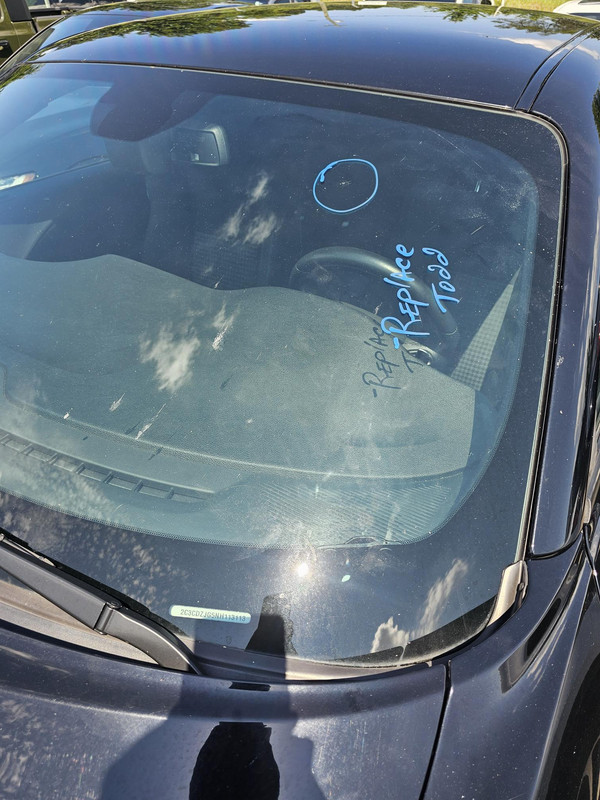
The day your windshield cracks never comes at a convenient time. Maybe a dump truck spat a pebble your way on the interstate, or you found a spiderweb crack after a cold snap. If you are like most drivers, you search for auto glass near me and hope a technician can come to your driveway or office. Mobile service is a lifesaver when schedules are tight, but the work happening in your parking spot has to meet the same safety bar as a full shop. I have run crews in both settings, and the differences that matter are not the van or the address. They are the standards, the materials, the methods, and the discipline to follow them under less controlled conditions.
This is a practical guide to what “safe” looks like for mobile windshield replacement and auto glass replacement, what you should expect from a technician who comes to you, and how to vet a shop before you accept a windshield quote. I will share how pros think about adhesives, sensor calibrations, curing times, weather, and liability, along with a few shortcuts to avoid.
Why safety standards are higher than they look
Modern vehicles use the windshield as a structural component. In a frontal crash, laminated glass bonded to the body with the right urethane helps keep the roof from collapsing and supports proper airbag deployment. If the glass pops loose because the adhesive did not bond, the passenger airbag can blow into open space, and rollover protection suffers. That is not hypothetical. Insurance crash investigations have documented cases where improper installation contributed to injury severity.
Standards exist to address this. At the federal level, FMVSS 212 and 216 cover windshield retention and roof crush resistance. They are vehicle design standards rather than installer checklists, but they set the baseline for what the glass and body must achieve when properly bonded. Industry groups and adhesive manufacturers translate those outcomes into procedures. AGRSS/AGSC, vehicle makers, and urethane makers all publish requirements for surface prep, bead size, working times, and safe drive-away times.
A mobile installer cannot bring a spray booth to your driveway, yet they still have to deliver a bond that meets those same performance targets. That means adapting to weather, using mobile-safe primers and urethanes, and being strict about cure times. When a crew says no to a replacement in a heavy downpour, it is not about convenience. It is about meeting FMVSS retention when you buckle up.
Adhesives, primers, and the physics behind “safe drive-away”
Urethane adhesive is the quiet hero of a safe windshield replacement. It is not caulk, and it is not silicone. It is an engineered polymer designed to form a structural bond between glass and the pinchweld. The chemistry matters. Moisture-cure urethanes react with humidity to set up. They have published safe drive-away times that depend on temperature, humidity, and whether the car has passenger airbags.
A few points that separate a conscientious installer from a sloppy one:
- Cure time is not a marketing claim. It is a tested window to reach minimum crash-ready strength, often described as a threshold for FMVSS 208 airbag performance. Fast-cure urethanes can reach that threshold in roughly 30 to 60 minutes under warm, humid conditions, while standard formulas may need 2 to 4 hours or longer on a cold, dry day. If you are offered a 15-minute departure in winter, ask what urethane and conditions that claim assumes.
Surface preparation is just as critical. The old urethane bead should be trimmed to a small, even height, typically about 1 to 2 millimeters. Rust or paint damage on the pinchweld must be cleaned and primed correctly. Glass must be cleaned with the right solvents, free of fingerprints, and primed according to the urethane maker’s instructions. Skipping primer because “it looks clean” is a shortcut that leads to bond failure months later, often after temperature cycles or a collision test its limit.
Mobile teams that meet standards carry a kit with specific primers for glass and body, a moisture gauge or at least a reliable local weather read, and adhesive batch logs. They check expiration dates on cartridges. They know the difference between an encapsulated windshield with a pre-applied molding and a bare glass unit requiring a separate reveal molding. These are not preferences. They are variables with safety consequences.
Weather is a real constraint, not an excuse
Wind and rain complicate bonding. A light mist is enough to contaminate a bead during installation. Dust blowing off a parking lot can coat the pinchweld between prep and set, which compromises adhesion. Cold snaps slow cure and can push urethanes beyond their safe drive-away times. Heat helps cure, but direct sun on very hot glass can make handling tricky and increase the risk of thermal stress if techniques are careless.
Competent mobile installers plan around this. They stage pop-up canopies, they prep inside the van when possible, and they bring climate notes into the timeline they commit to you. If the forecast is uncooperative, a reputable shop will reschedule or request access to a garage. You should hear a clear explanation tied to safety standards, not a vague apology.
I have walked away from high-wind jobs on open rooftops even when the customer insisted. That is a tough conversation to have on a tight calendar, but the customer who drives on faith that afternoon is owed more than convenience.
Glass quality, OEM vs aftermarket, and why fit matters
Once the old windshield is out, the new glass must fit the body opening within tight tolerances. Poor fit amplifies wind noise and water leaks, but it also changes how the urethane bead spreads under load. That affects bond strength. OEM glass and high-grade aftermarket glass are both viable. The decision is less about logo and more about how accurate the part is for your trim level, sensors, and attachments.
I have seen aftermarket windshields that matched OEM quality and others that missed a critical bracket by a few millimeters. ADAS cameras complicate this. If the frit band or camera mount is off just enough, calibration can fail. The right approach is to balance cost and compatibility. Ask whether the part includes the correct acoustic interlayer if your car originally had it. Check for solar-coated glass when specified. If the price seems too good, question whether you are being quoted for the right part rather than a generic pane.
This is where an auto glass quote that lists part numbers or at least named options beats a single line item. When you request a windshield quote, ask the shop to note whether the glass is OEM or aftermarket, whether it includes rain sensor mounts, heated elements, a lane camera bracket, and any acoustic properties. If a shop cannot confirm those details, the risk of a second appointment rises sharply.
ADAS calibration: static, dynamic, or both
Many late-model vehicles embed forward-facing cameras, lidar, or radar behind the windshield. Change the windshield and you change the optical path the camera sees. Alignment may shift fractions of a degree, which is enough to drift lane-keeping logic or reduce automatic emergency braking performance. Calibration is not optional when specified by the manufacturer and appears in the service information for a large share of vehicles produced in the last decade.
There are two main approaches. Dynamic calibration uses a scan tool and a drive on marked roads at specified speeds, typically 20 to 45 mph, to allow the camera to learn. Static calibration requires targets placed at measured distances and heights in a controlled space. Some vehicles need both. Not every mobile team can do static calibration on-site because Union car window glass replacement it expects level floors, exact lighting, and target placement that does not tolerate guesswork. This is where a mobile installer may replace the glass at your location, then route the car to a calibration bay or a partner facility.
What should you expect? A clear explanation of your vehicle’s requirements, a calibration certificate or report, and no shortcuts. If a quote advertises mobile windshield replacement but says nothing about calibration for a car with lane assist, that is a red flag. The cheapest auto glass quote that omits calibration may cost more in the end when warning lights glow or driver assistance behaves oddly.
What changes between shop and mobile work
Shops control environment and tooling. Mobile work trades that control for convenience. That trade-off does not have to sacrifice quality, but it moves more responsibility onto process discipline and technician experience.
In a shop, a glass rack and lifting equipment reduce the risk of twisting large windshields. On the road, we rely on two-person lifts or suction cups with stabilizers. In a shop, compressed air and filtered drying help with pinchweld prep. Mobile crews use portable vacs, brushed cleaning, and more deliberate timing. None of this is automatically worse. It simply means that on a curbside job, each step carries a little more uncertainty to be managed.
There are repairs I prefer not to do mobile. Heavy rust around the pinchweld requires grinding, treatment, and sometimes paint. That work raises the risk of dust contamination and demands longer cure windows. Complex vehicles with head-up display optics or infrared coatings can be finicky. I explain the risks and suggest a shop appointment when those edge cases show up. Customers appreciate the honesty, especially after seeing corners cut elsewhere.
How to vet a mobile glass company before booking
Cost matters, but so does the quality of the installation you will trust at highway speeds. A few quick questions separate the pros from the rest. Keep it conversational. The goal is to hear specifics, not memorize a script.
- Ask about urethane brand and safe drive-away time for the conditions expected at your appointment. Pros quote a range and mention temperature and humidity. Ask whether your vehicle needs ADAS calibration and how they handle it. Listen for static vs dynamic, partner facilities, and printed results. Ask about glass sourcing, whether the quoted part matches your options, and how they handle rain sensors or heated wiper parks. Ask what happens if it rains or winds gust. A credible answer includes canopies, rescheduling criteria, and a safety-first policy. Ask for a written auto glass quote that lists parts, labor, moldings, calibration charges, taxes, and any mobile service fee.
If those answers feel rushed or vague, keep searching for auto glass near me until you find a shop that is comfortable talking details. That comfort usually reflects training and repeatable procedures.
Reading a windshield quote without getting lost
Quotes come in flavors. Some bundle calibration, moldings, and consumables. Others list each item: glass, urethane kit, primer, tape, moldings, tax, mobile fee, calibration, disposal. Neither approach is inherently better as long as you can confirm what is included and what is not.
Watch for three gaps that show up often. First, calibration is omitted or marked “if needed,” then tacked on as a surprise. Second, glass is quoted without mentioning whether it is OEM or aftermarket, which can hide a big price difference. Third, moldings are assumed to be reusable when the part is designed for a one-time use. Reusing a stretched molding saves about 30 to 100 dollars now and tends to whistle later.
If pricing seems too steep, ask whether a quality aftermarket glass is available for your VIN configuration. Many shops can price both versions. If you are chasing the lowest number, confirm that the shop’s warranty covers leaks, stress cracks not caused by impact, and ADAS calibration retention for at least 12 months. A low sticker with no safety net is not a bargain.
What a competent mobile appointment looks like
Expect a truck or van that looks organized rather than stuffed to the roof. The tech will inspect the vehicle first, checking for prior paint, rust, or body work at the pinchweld. They will protect the interior and exterior with fender covers and dash drapes. If sensors or rain modules are present, they will verify part numbers and seating positions before removal.
Once the old glass is cut out, the bead is trimmed. A clean, consistent trim is an art that takes practice. Too low and the bead can be starved. Too high and the new glass floats, reducing bond width. Primers go on, timed by a watch, not a guess. Urethane bead is laid in one continuous pass at a uniform height, usually triangular to encourage wet-out. The glass goes in with alignment blocks or reference marks, then pressed to the proper standoff.
At this point, the tech should communicate the safe drive-away time. You should see stickers or tape, which are not decorations. They stabilize the glass while the adhesive builds strength. If ADAS is involved, calibration follows as planned: either a drive with a scan tool for dynamic procedures or a trip to a static bay.
You might notice the tech avoids slamming doors or rolling down windows immediately after installation. That is deliberate. Sudden pressure spikes in the cabin can disturb the bead before it skins. These small behaviors signal care.
Leaks, squeaks, and how a warranty should work
Even a careful install can need a second pass. A pinhole leak at a corner, a rattle at highway speed, or a camera that refuses to calibrate after a glass change happens on occasion. What matters is the response. Reputable shops schedule a prompt recheck, water test the perimeter, reapply primer and urethane if needed, and fix trim fitment. If calibration fails due to glass distortion or mount alignment, they swap the part. That is not common with reputable glass, but it happens.
Warranty terms vary. Standard is labor and materials for defects, often lifetime for leaks and one year for stress cracks not caused by fresh rock impacts. Calibration warranties tie to the service date and generally cover recalibration if it drifts after a glass swap. Read the fine print. If you have to drive across town for service, make sure the mobile team also honors mobile warranty work where practical.
Insurance, networks, and steering
If you are using comprehensive coverage, your carrier may route you through a glass network. That does not force you to a single provider. You can request your preferred shop, though claims processing may require an extra step. Networks set agreed pricing, which may pressure shops to offer a basic package without OEM glass or calibration extras. Insist on what your vehicle needs. If the shop documents that OEM glass or static calibration is required, the insurer often pays. The key is documentation and communication, not arguing at the curb.
I advise calling your insurer while you are on the line with the glass shop. Three-way calls help align expectations quickly. The shop can confirm whether your policy covers calibration and whether a deductible applies. That saves you from surprises when you see the final bill.
Timing, planning, and when repair beats replacement
Not every crack demands a full windshield replacement. Small chips and short cracks, typically under a few inches and outside the driver’s direct line of sight, can be repaired. A good repair arrests crack growth and preserves the factory bond. The line-of-sight rule matters because repairs can leave slight optical blemishes. If you catch damage early, a mobile technician can inject resin and cure it with UV in under an hour. Insurers often waive deductibles for repairs because they are inexpensive and prevent larger claims.
When replacement is unavoidable, timing your appointment around weather and your schedule can shorten the total impact on your day. If you park outdoors in winter, morning jobs with rising humidity can cut drive-away time compared to late evenings when temperatures drop. Hot, humid afternoons in summer make fast-cure urethanes even faster. Ask the scheduler to match adhesive to conditions. That is an inside-baseball request, and good shops appreciate it.
Myths that deserve to retire
I still hear a few myths that lead drivers astray. One says you can drive immediately after a replacement as long as you do not hit bumps. Not true. Adhesive strength does not care about speed bumps. It cares about time, temperature, and humidity. Another claims aftermarket glass is always inferior. That is too simple. There are aftermarket pieces I would install on my own car without a second thought, and a few I would not touch. The difference is supplier quality and the specificity of the part to your trim.
A third myth insists that calibration is a dealer-only task. Many independent glass shops have factory-level scan tools and target systems, and they file the same documentation dealers do. What matters is equipment, training, and process, not logos on the building.
Getting value from a local search
Typing auto glass near me brings up a stack of options. The top ad or the lowest price is not the only signal. Read reviews selectively. Look for mentions of good communication, clean work, successful calibrations, and prompt fixes when something was off. Reviews that rave about speed but say nothing about safety steps are not damning, but they should not be the only data point.
Some shops share sample paperwork online. I like seeing a downloadable work order that includes adhesive batch numbers, cure-time notes, and a calibration checklist. It signals a culture of documentation. If none of that is visible, you can still ask for it with your auto glass quote. The way a scheduler responds tells you a lot about the standards behind the scenes.
A brief, practical checklist for day-of success
- Clear a safe, level space big enough for doors to open fully and for a canopy if needed. Confirm the part matches your options before removal: sensors, heated zones, heads-up display. Ask the tech to note the safe drive-away time on your receipt or a sticker. Plan your day to avoid highway speeds until beyond the minimum cure window. Schedule or confirm ADAS calibration and ask for the report afterward.
The real measure of mobile quality
Mobile service is not a shortcut around best practices. It is a different stage for the same play. The tech must bring a controlled process into an uncontrolled environment and make good decisions when conditions are not ideal. When you speak with a shop, you are not just buying glass. You are buying their judgment.
Expect a clear explanation of materials and timing. Expect honesty about weather, rust, or calibration. Expect documentation that would satisfy an insurance auditor. If a shop delivers all of that and a fair price, you have found the right partner. Whether you are seeking a quick windshield quote, comparing an auto glass quote between two providers, or scheduling an urgent windshield replacement in your driveway, the confidence you want comes from standards you can hear, see, and verify. That is how mobile auto glass replacement should work, near you or anywhere.